
ENTERTAINMENT: Drake’s Latest Three-Album Drop Deserves Mixed Reviews
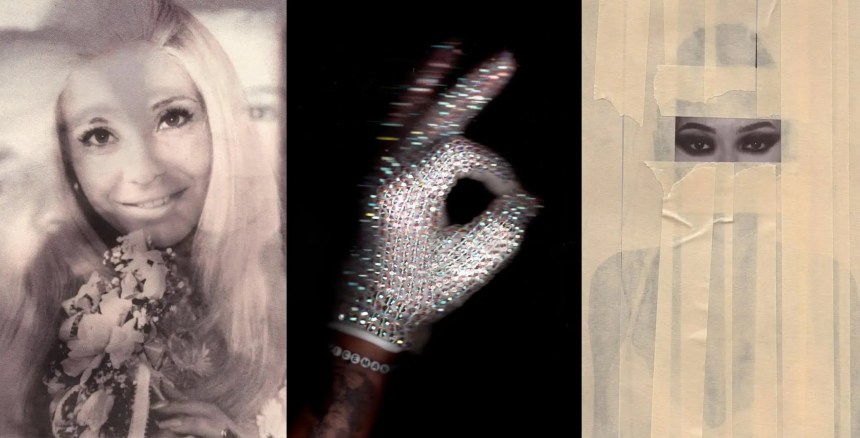
(Photo courtesy nowtoronto.com)
By Calder Costantini – Staff Reporter
Drake released three studio albums on May 15 named “Iceman,” “Habibti,” and “Maid of Honour.” These albums are his ninth, 10th, and 11th full studio albums since 2008. These three projects are completely different in vibe and theme. With Drake surprising fans with “Habibti” and “Maid of Honour” on the night of the drop, fans were anticipating an amazing assortment of songs. Except, it might be different.
“Iceman” is the Drake everyone knows and loves – punchline rap, amazing production, backed by the amazing melody Drake has carried throughout his entire career. “Iceman” is seemingly the most well-put together project Drake released on May 15, although the other two bring a great retrospect to Drake’s ideas in music. “Habibti” and “Maid of Honour” were two completely different styles of music compared to “Iceman.” “Maid of Honour” brought a house music vibe for the fans who love the Drake that creates party music, although “Habibti” brought Drake’s iconic R&B singing and production throughout this surprise project. Fans loved Habibti, stating that it reminds them of previous years’ Drake.
To go further, “Iceman” was definitely the time Drake took to reflect on previous relationships with others in the social scene, including J. Cole, Kendrick Lamar, and even LeBron James. Iceman brought the unapologetic, catchy, and aggressive rap style from Drake. Fame, competition, and public criticism are huge themes in “Iceman.” While the album may lack some of the emotional depth found in “Maid of Honour,” it succeeds in delivering confidence and intensity that longtime rap fans expect from him.
“Maid of Honour” brought out the uncommon house music vibe for Drake. A lot of fans reflect on this project, saying it brings Drake away from the hard character he portrays himself as. The album focuses heavily on relationships, loyalty, and heartbreak, returning to the emotional storytelling that originally connected him with fans. Instead of relying only on catchy hooks, Drake leans into slower production and personal lyrics that make the project feel more intimate. While some critics may argue that he revisits familiar themes too often, the honesty in the album helps it stand out in an era where many artists prioritize trends over emotion. Drake reminds listeners that simplicity and vulnerability can still carry an album.
On “Habibti,” Drake leans into the R&B vibe that everyone loves. Some fans recall that some songs from “Habibti” remind them of the Drake that made “Nothing Was The Same,” Drake’s 7x platinum and runner-up for Album of the Year at the Grammys in 2014. Drake’s ability to adapt to different sounds has always been one of his greatest strengths, and “Habibti” continues that tradition. However, the album also raises questions about authenticity and cultural influence. Some listeners see Drake’s experimentation as creative evolution, while others believe he borrows too heavily from styles that are not originally his own. Regardless of opinion, the album succeeds in sparking discussion, which has always been part of Drake’s impact on music.
These projects were great for the music industry, but the critics don’t agree. Many believe that all three of these albums were underproduced, sloppy, and not lyrically up to par with others from Drake. Together, these albums represent three sides of Drake: the emotional storyteller, the global hitmaker, and the competitive rapper. Whether listeners enjoy every creative decision or not, Drake continues to shape conversations in modern music because he refuses to remain predictable. “Maid of Honour,” “Habibti,” and “Iceman” may differ in sound and message, but they all demonstrate Drake’s ability to evolve while staying recognizable. In a music industry where relevance can disappear quickly, that may be his greatest achievement.
Rating: 3 out of 5 stars

