
EDITORIAL: Netflix’s Proposed Acquisition Of Warner Bros. Could Concentrate Power, Harm Movie Theaters
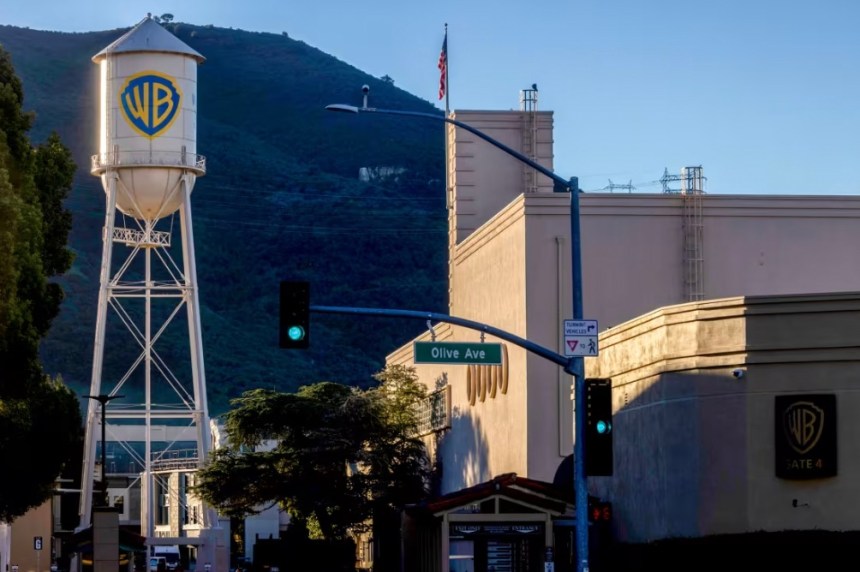
(Photo courtesy nbcnews.com)
By Tyler Lilly – Staff Reporter
Warner Bros. is a very recognizable name in Hollywood. They have created many movies, own numerous IPs, and are a giant in the film industry. The company itself, Warner Bros. Discovery, has been looking to make changes since it is billions of dollars in debt as a result of splitting from AT&T and merging with Discovery, Inc. in 2022. David Zaslav, the CEO of Warner Bros. Discovery, has proposed splitting the company in two to separate the less profitable television networks from the movies and streaming divisions. Recently, Netflix and Paramount Skydance have been bidding to acquire Warner Bros. Paramount bidded for the whole company, while Netflix only bid for the company’s streaming and studios.
In the end, Netflix won the bidding war, and is currently in talks with Warner Bros. Discovery to acquire the Warner Bros. part of the company for $82.7 billion. With the deal set to be finalized by late 2026, there is absolutely no good that will come out of this. Warner Bros. owns many highly profitable properties; DC Comics (which includes Batman, Superman, the Justice League, etc), Harry Potter movies and TV shows, classic cartoons such as Looney Tunes and Scooby-Doo, and perhaps the most alarming asset being acquired by Netflix is the streaming service HBO Max. Netflix is already a streaming giant, so having two streaming services under its belt, along with many huge IPs is an enormous concentration of power. While this is not the first time a company has acquired a major streaming service, another example being Disney buying out all of the shares of Hulu, Warner Bros. has much more to offer Netflix in terms of new properties. The combined power of both companies could conflict with antitrust laws and create a monopoly.
The CEO of Netflix, Ted Sarandos, has made controversial statements about movie theaters. Traditionally, movies stay in theaters for a 45-day window before moving to digital platforms. That theatre-exclusive window has been decreasing over the past few years, but theaters are still a huge part of the film industry. Sarandos believes otherwise, as he has gone on record saying that movie theaters are “outdated” and that consumers prefer to watch movies at home. Following the announcement of the deal, Sarandos has adjusted his stance, stating that theatrical releases for Warner Bros. films will continue. Even though Netflix will still release movies in theaters, it could potentially keep movies in theaters for less time, further diminishing the theater business.
Instead of doing a corporate merger, the solution to all of this is to simply go with David Zaslav’s original plan of splitting Warner Bros. Discovery into two separate companies again. Unlike the Netflix deal, it won’t change the landscape of the film industry, will not concentrate power under a single company, and won’t harm the movie theatre business.
While the idea of a Netflix and Warner Bros. merger is quite intriguing, the effects of such a deal will outweigh any good it can possibly bring, if any. Unfortunately, it seems quite likely that the deal will go through, although it still needs government approval. But as it stands, this deal could bring about a gross concentration of power under one entity, and it should, quite frankly, not be approved at all.
 The Advocate Online