
ENTERTAIMENT: Bad Bunny Shows Off His True Talents On “DeBÍ TiRAR MáS FOToS”
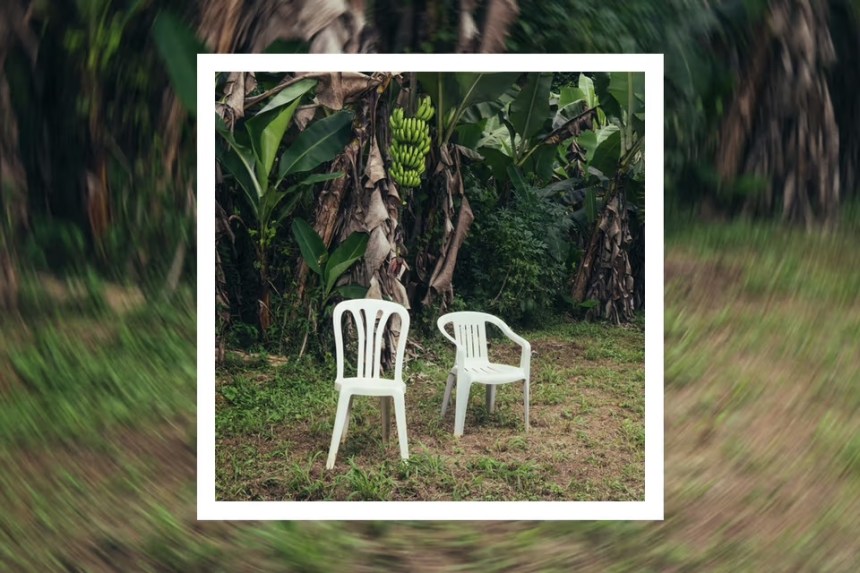
(Photo courtesy hypebeast.com)
By Shania Sanchez – Staff Reporter
Bad Bunny (Benito Antonio Martínez Ocasio) released his studio album, “DeBÍ TiRAR MáS FOToS” on January 5. By the end of the year, the album had earned him five awards at the Latin Grammy Awards. This surge in popularity also helped him land the spot as the performer for the Super Bowl. The album itself is a love letter to Puerto Rico, his birthplace and the home of his people. It is considered his most politically charged album yet. In essence, DTMF is a powerful call to value and protect Puerto Rican identity and culture all while dancing to its ancestral rhythms.
The album addresses deep concerns over cultural erosion, gentrification, and the impact of U.S. colonial policies on the island’s identity and people. Bad Bunny uses traditional Puerto Rican rhythms such as bomba, plena, and salsa to highlight the island’s heritage while warning against the displacement of its communities. U.S. policies have raised taxes for locals, forcing many to leave their homes. The album urges Puerto Ricans to value their roots, preserve their traditions, and resist assimilation.
He also sings about universal experiences, like heartbreak and seeing an ex doing better on social media. He often personifies Puerto Rico as a woman, describing her beauty despite her tears, symbolizing the resilience of Puerto Rico’s people. He even references Hawaii, cautioning against allowing the island to suffer the same fate where tourism caused erosion of the culture.
The album’s cover photo is also culturally significant. It features the plastic chairs familiar to many Latino and Caribbean families, often used for having conversations. Musically, the album is captivating. Many listeners wish others spoke Spanish to fully appreciate its beauty. Non-Puerto Ricans have also connected with its themes, as many Latin American countries have faced similar challenges. The album opens with “NUEVAYoL,” which samples “Un Verano en Nueva York (A Summer in New York)” by El Gran Combo de Puerto Rico. He then returns to reggaeton, but his third song is salsa, reconnecting with his roots in “BAILE INoLVIDABLE (Unforgettable Dance).”
In this song, he sings, “Mientras uno está vivo / uno debe de amar lo más que puede” (While one is alive, one should love as much as possible), reflecting a core idea in Latino culture: seize life’s joys because tomorrow is not guaranteed. He mourns a breakup while also metaphorically expressing love for Puerto Rico, singing, “No, no te puedo borrar / Tú me enseñaste a querer / Me enseñaste a bailar” (I can’t erase you; you taught me how to love, you taught me how to dance). Other songs, like “Que estará haciendo mi ex,” blend Latin trap, reggaeton, EDM, and house, to explore heartbreak. Tracks like “LO QUE LE PASO A HAWAIi” address cultural displacement, environmental threats, and the longing to preserve Puerto Rican heritage. Lyrics such as “Quieren quitarme el río y también la playa / Quieren al barrio mío y que tus hijos se vayan” (“They want to take the river and beaches from me; they want my neighborhood and your children to leave”) are a mix of beauty and grief.
Even in his upbeat songs like “LA MuDANZA” where he starts talking about his parents’ life, he still follows through on how he is from Puerto Rico and nobody can take that pride from him. He sings, “De aquí nadie me saca/de aquí yo no me muevo/Dile que esta es mi casa, donde nació mi abuelo” (“No one’ll kick me out of here, I’m not going anywhere, tell them this is my home where my grandfather was born.”). Songs like that encouraged people online to show their love for their heritage and their love for their culture. His most popular song on the album was “DtMF” which is the abbreviation of his album’s name, which means I should have taken more photos. It’s a nostalgic and emotional song about missed opportunities, lost loved ones, and the passage of time, with lyrics about wishing he’d taken more pictures and given more affection. These lyrics also made people share their lost loved ones with the lyrics, “Debí tirar más fotos de cuando te tuve/Debí darte más besos y abrazos las veces que pude” (“I should have taken more photos of when I had you. I should have given you more kisses and hugs as many times as I could.”)
There are really no bad songs on this album, but many people complain about the album’s length. Even they would have to admit, though, that Bad Bunny’s messages throughout the album are inspiring.
Rating: 5 out of 5 stars
 The Advocate Online