
ENTERTAINMENT: Panic! At The Disco’s Classic Debut Combines Pop Punk, Emo Genres
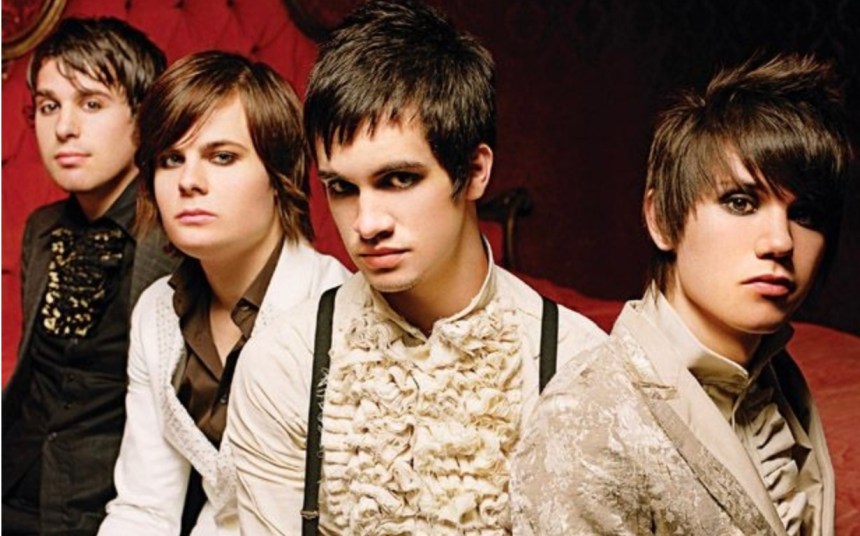
(Photo courtesy rollingstone.com)
By Ronnie M. – Staff Reporter
“A Fever You Can’t Sweat Out” was released on Sept. 27, 2005, by Panic! at the Disco. It was the band’s debut album, produced by Matt Squire, and released through Decaydance Records, later Fueled by Ramen. From the start, the band was thrust into the challenging world of fame.
The songs began as demos that Ryan Ross, the lyricist and lead guitarist, sent to Pete Wentz’s LiveJournal. Wentz, bassist for Fall Out Boy and owner of Decaydance Records, was impressed and flew to Las Vegas to meet the band. Ross cited author Chuck Palahniuk as a major influence, and he and the band were also inspired by Third Eye Blind and Stephen Jenkins. The album blends pop-punk, emo, electronic sounds, and even orchestral instruments like strings and horns. This unique mix helped the band stand out and inspired other artists such as Fall Out Boy, My Chemical Romance, and Paramore.
“I Write Sins Not Tragedies” is the album’s most famous track. It opens with a plucked cello line, and Brendon Urie’s dramatic vocals paired with clever lyrics. He sings. “No, it’s much better to face these kinds of things / With a sense of poise and rationality.”
“Build God, Then We’ll Talk” tells a dark story about a girl exploited by adults, set against a cheerful melody reminiscent of “My Favorite Things” from “The Sound of Music.” The chorus, “What a wonderful caricature of intimacy,” shows how physical closeness can be empty without real emotional connection.
“Time to Dance” is a fan favorite for its experimental style, mixing rock, electronic elements, strings, and the theatrical, vaudeville-inspired sound Panic! at the Disco is known for. Its lyrics reference Chuck Palahniuk’s “Invisible Monsters”: “Give me envy, give me malice, give me your attention” and “When I say shotgun, you say wedding / Shotgun wedding, shotgun wedding.” It was also the first demo that made it onto the album, helping define the band’s early sound.
The album is celebrated for its bold, genre-blending style. The first half focuses on pop-punk and emo, while the second half incorporates orchestral and theatrical influences. Its smart, layered lyrics, catchy hooks, and self-aware aesthetic make it a unique listening experience. While some critics noted the shift in style and the frank themes of sex and infidelity, the album was widely praised for its creativity and originality.
Rating: 5 out of 5 stars
 The Advocate Online