
ENTERTAINMENT: “The Last Of Us” Fails To Re-Capture Spark Of First Season
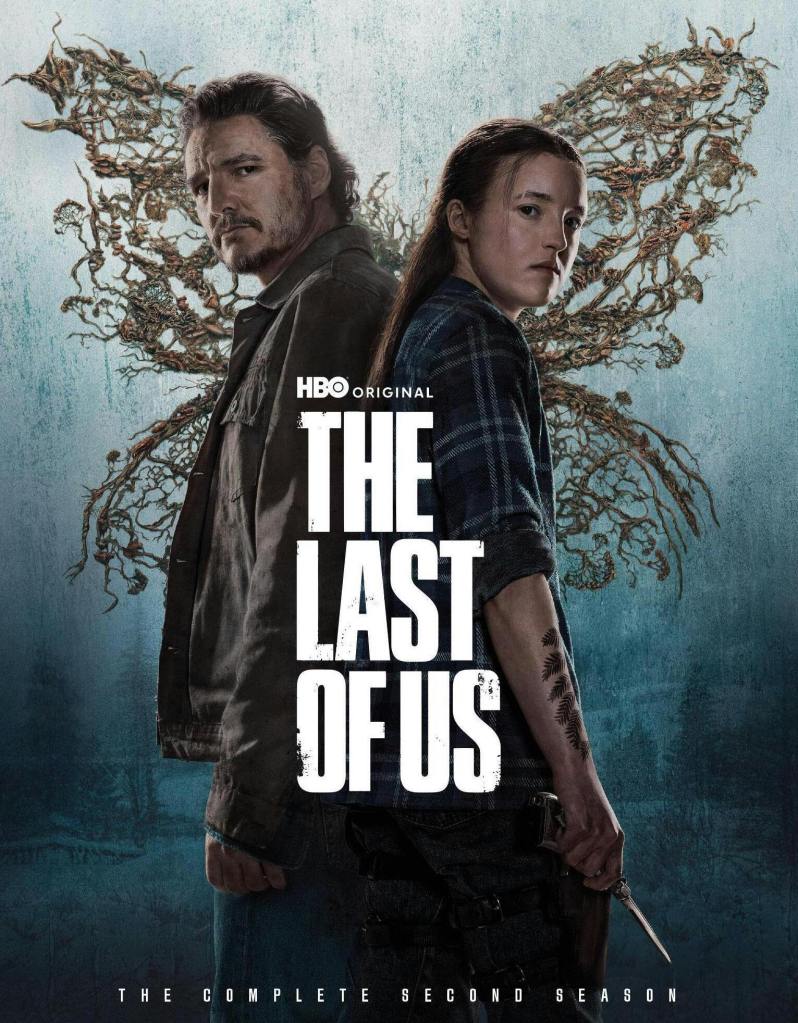
(Photo courtesy HBO Max)
By Tiana Rosiak – Staff Reporter
HBO began airing the seven-episode second season of their show, “The Last Of Us” on April 13. The series is based on the popular video game of the same name, and the second season focuses on the 2020 installment, “The Last Of Us Part II”.
The new season focuses directly on the aftermath of the previous season with Joel (Pedro Pascal) and Ellie’s (Bella Ramsey) relationship as the main focus point. However, it begins with showcasing a strained relationship between the two, something that wasn’t shown in the finale of season one. Just like its predecessor, the second season focuses on themes of loss and dealing with death through the perspective of someone directly affected. The season, though, does heavily focus on relationships, specifically between protagonist Ellie and new addition Dina (Isabela Merced).
One of the hardest things the season had to accomplish was translating the plot to screen, but they fail to do so and even when tweaking it. An adaptation is not a recreation, and the show doesn’t try to be the exact same as the game, but that’s where they fail. There are almost no similarities between the game and show other than the name. Plot lines are changed, characters don’t get the same edge they once had, timelines are switched. Rather than taking time to develop previously undeveloped characters like Jesse (Young Mazino), they add nothing and make supporting characters boring to watch. Pacing has also been one of their biggest let downs. Trying to fit a unique and layered story into less than ten hour long episodes is almost impossible to accomplish, even if they succeeded at doing it previously. Although its main plot takes place in Seattle, the viewers don’t get to see it until half of the episodes have aired, and even then, the tone and feeling the post-apocalyptic city once had in the games has been erased. Rather than the action viewers were promised, they are instead greeted by one fight scene and 55 minutes of dialogue that gets characters nowhere.
The stronger points of the season, however, revolve around music and added scenes. A lot of the music in the game, whether covers or by the original artist, were kept in the show. Featuring songs such as “Take On Me” and “Future Days” are important as they are significant to characters. The series also adds scenes that were sometimes needed. In the show, there was more focus on Issac (Jeffrey Wright), an antagonist, that they didn’t have in the game. Putting more emphasis on him and showcasing his backstory helps set him up as a villain rather than just introducing him as “bad”. The acting is another stand out in the season. Due to the emotional and hard topics, there’s always the chance that the execution can bring it down, but they don’t have this problem this season. Rather, the acting at times helped improve scenes that weren’t so great in the first place.
In general, adapting a beloved video game is a tough thing for anyone to accomplish. The creators attempted to do well, but missed heavily in their execution. Even the things that brought last season up couldn’t help the disappointment that is season two.
Rating: 1 out of 5 stars
 The Advocate Online