
NEWS: Law’s American Sign Language Club Plans Activities For New School Year
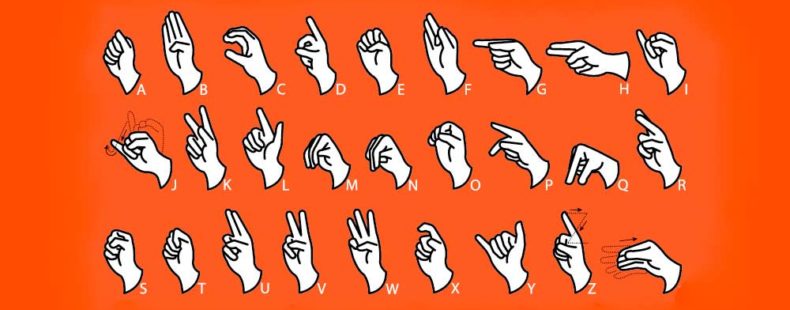
(Photo courtesy dictionary.com)
By Charlotte Hanks – Staff Reporter
Jonathan Law’s American Sign Language Club has started up again for the new school year.
In the ASL Club, students can learn a new language or expand on past knowledge. The club meets on F days during common time in Room 207.
“Since this club began last school year in the middle of all the COVID restrictions we never were able to really dive into the club,” senior Co-President Alexa Darak said. “However, this year Katy Brewer (the other co-president) and I have a bunch of ideas and activities planned for the upcoming year.”
The ASL Club is a place for students to meet new people and create new friendships. The club educates students on the importance of ASL and why it is needed.
“ASL Club was started by students who wanted to learn and teach others sign language,” Brewer said. “It was created to spread awareness about this language and try to make it more accessible to learn.”
ASL enhances children’s problem-solving skills, listening skills, increased academic achievement, and much more. ASL also promotes cultural awareness and improves spelling and fine motor skills.
Sign language is very important and is a vital part of many people’s lives. More than 1,000,000 people in the United States are deaf, and around 10,000,000 are hard of hearing.
It is so important to communicate with others, and sign language does just that. Around 71% percent of people over 70 have some type of hearing impairment caused by old age.
Not just deaf or hard of hearing individuals can benefit from sign language. It can be a very useful tool for those on the autism spectrum and with other developmental disabilities.
Sign language can help people with autism who are non-verbal or minimally verbal. Between 25-30% of children on the autism spectrum are non-verbal, and sign language has benefited them a great deal.
Signing is a very effective way for non-verbal individuals to communicate with others, especially so they don’t get frustrated. Actually, sign language can help generate verbal communication for those who are minimally or non-verbal.
If students are interested in joining the ASL Club, they can email Ms. Kelly at kkelly@milforded.org.
 The Advocate Online